Silicone vs. Wooden Loaf Molds for Cold Process Soap
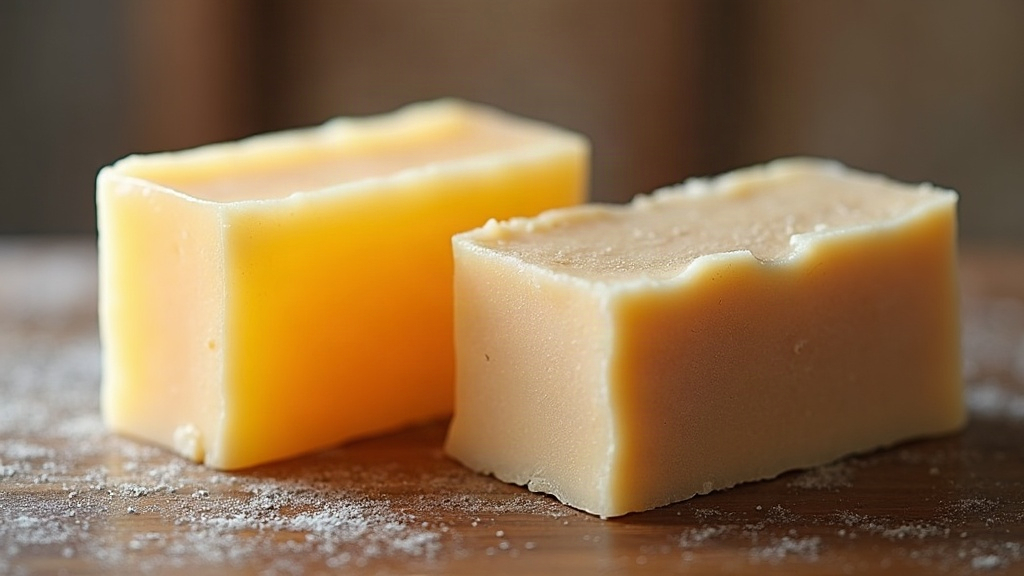
If you’re stuck choosing between silicone and wooden loaf molds for cold process soap, here’s the quick version: silicone is the easier pick for beginners thanks to effortless release and flexibility. Wooden molds (lined with silicone or freezer paper) give you better heat control, sharper edges, and they’ll last you years if you’re running bigger batches. Which one actually wins comes down to three things: how much soap you’re making, how your recipe behaves when it heats up, and whether you care more about convenience or that clean, professional finish.
How Each Mold Type Works
Silicone Loaf Molds
These are one-piece, flexible molds. You pour your soap straight in, no liner required. Once the batch has cured (give it 24 to 48 hours), you just flex the sides and the loaf pops right out.
Wooden Loaf Molds
Wood molds are rigid boxes, usually with a removable bottom or sliding sides. They need a liner, whether that’s a silicone sleeve, freezer paper, or parchment, to stop the soap from sticking and to make cleanup bearable.
Pros and Cons Compared
Release and Unmolding
- Silicone: Nearly effortless. That flexibility means even a soap with a slightly soft cure comes out clean, no tearing.
- Wood: Needs a liner, full stop. Skip it and the raw soap (still caustic during saponification) will eat into the wood and cling to it like glue. With a liner in place, release is fine, just one more step in the process.
Heat Retention and Gel Phase
Here’s where wood really earns its keep. It insulates far better than silicone, which helps your soap hit and hold gel phase, something that matters a lot if you’re using micas that need heat to really pop, or working with high-liquid recipes.
- Wood: Traps heat naturally. Often you won’t even need towels or a box to force the gel.
- Silicone: Pulls heat away faster. Sometimes that’s a plus (less chance of overheating or cracking with heat-sensitive fragrance oils), sometimes it’s a headache (good luck forcing gel phase in a chilly workshop).
Shape and Edge Quality
- Wood: Gives you crisp, dead-straight 90-degree corners, the kind that make bars look store-bought.
- Silicone: Edges tend to round off slightly or come out uneven, since the material flexes while you’re pouring and as the batter settles. Thin-walled molds are the worst offenders.
Durability and Lifespan
- Wood: Treat it right, with proper liners, and a good wooden mold can outlast your soap-making hobby itself, decades, even. It won’t warp from the batter unless liquid sneaks through a torn liner.
- Silicone: Wears down with repeated flexing, hot lye-soap contact, and fragrance oils doing their slow chemical damage. Cheaper molds can split or lose their shape after as few as 50 to 100 uses.
Cost
- Silicone: Cheaper to start, usually $10 to $25 for a standard loaf mold, and no liner to buy.
- Wood: More upfront, $20 to $50 or more, plus ongoing liner costs unless you’ve got a reusable silicone insert.
Ease of Storage
- Silicone: Collapsible, stackable, light as a feather. Perfect if your soap-making corner is already cramped.
- Wood: Bulky and rigid. It’s going to claim a permanent spot on your shelf.
Batch Size Flexibility
Wooden molds come in way more sizes, including adjustable ones that handle anywhere from 2 to 6 lb batches, so they scale with you as production grows. Silicone molds are mostly stuck at fixed sizes, usually the standard 2 lb or 3 lb loaf.
Which Should You Choose?
Choose silicone if you:
- Are just getting started with cold process soap
- Make small batches now and then
- Want minimal cleanup and prep work
- Like the rustic, slightly rounded look of a bar
Choose wood if you:
- Want crisp, professional edges for bars you’re planning to sell
- Need dependable gel phase without fussing over extra insulation
- Soap regularly and plan to keep doing it long-term
- Don’t mind the extra minute it takes to line the mold
A Hybrid Option Worth Considering
A lot of seasoned soapers land on a wooden mold fitted with a silicone liner insert. You get the heat retention and sharp corners of wood along with the easy release of silicone. It costs more going in, but you skip the ongoing expense of disposable liners, so it pays for itself over time.
Conclusion
There’s no mold that’s objectively “better,” just the one that fits how you actually work. Silicone wins on price and convenience. Wood wins on insulation, edge quality, and how long it’ll stick around in your workshop. If you’re new to this, grab a silicone mold and learn the ropes without much risk. But once you’re soaping on a regular schedule and presentation starts to matter, a solid wooden mold (paired with a silicone liner) is worth the investment, both for how your bars look and how long your gear lasts.