Mica vs. Oxide Pigments in Soap: Color Payoff and Fading
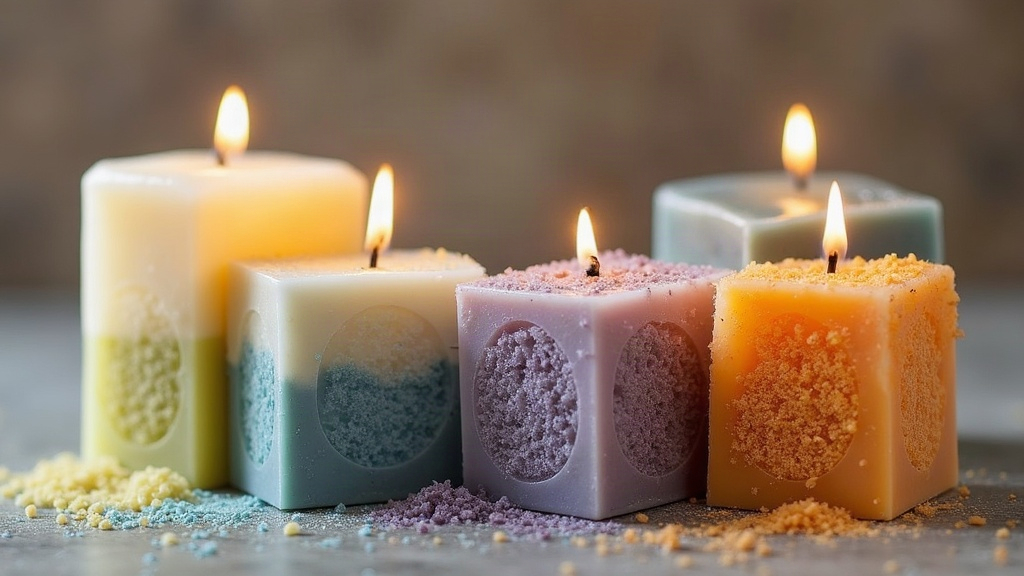
If you’ve ever cracked open a mold expecting a gorgeous swirl and found the color had gone flat and muddy a week later, you’ve already run into the real fight in soap coloring: mica versus oxide pigments. The short version: micas give you shimmer and a huge range of shades, but they often fade or morph in cold process soap because lye doesn’t play nice with them. Oxides and ultramarines, on the other hand, are the stable workhorses, they hold their color through saponification and well past curing. Which one you reach for really comes down to one question: do you want sparkle, or do you want it to still look right in six months?
What Micas Actually Are
Mica is a natural mineral, mined and ground down into a fine powder, then coated with colorants (oxides, dyes, titanium dioxide layers, you name it) to give it that shimmer and iridescent quality. Soapmakers love it for:
- Swirls and layered designs where you actually want shine
- Pastels and metallics (think rose gold, copper, a pearly sheen)
- Cosmetic work like bath bombs, melt-and-pour bars, and lotions
Here’s the catch. A lot of micas just aren’t lye-stable. Cold process soap batter sits at a pH around 9-10 during the cook, and climbs higher mid-saponification. That alkalinity can attack the dye coating on mica particles, and suddenly your color’s not the color you picked. Pink turns tan. Blue goes gray. Purple can fade all the way to beige, which, if you’ve spent an afternoon planning a lavender swirl, is genuinely annoying.
What Oxide and Ultramarine Pigments Are
Oxides (iron oxide, chromium oxide, zinc oxide) and ultramarines are synthetic or nature-identical mineral pigments, built specifically to shrug off heat, light, and alkaline conditions. This is why they’re the default choice for anyone who needs predictable results:
- Chemically inert, no reaction with lye
- Color holds from the pour all the way through a 4 to 6 week cure
- Mix beautifully into earthy, muted, or bold tones: terracotta, slate, forest green, charcoal
The tradeoff? No shimmer. They’re flat and matte, great for solid blocks of color, mottled effects, or clay-based bars, but they’ll never give you that iridescent swirl look.
Color Payoff: Head-to-Head
| Factor | Mica | Oxide/Ultramarine |
|---|---|---|
| Shimmer/sparkle | Yes, often strong | No, matte finish |
| Color range | Very wide (pastels, neons, metallics) | Earthy, saturated, limited pastels |
| Lye stability | Variable, check the label | Excellent |
| Fading risk | Moderate to high | Low |
| Best use | Melt-and-pour, cosmetics, light swirls | Cold process, long-shelf bars |
Why Colors Fade or Morph
Three things are usually to blame, and while both pigment types can suffer, micas take the bigger hit:
- High pH exposure. Lye reacts with the dye layer coating the mica, breaking that bond apart.
- UV light. Sunlight will fade both mica and certain oxide blends over the months, reds and pinks especially.
- Fragrance oil discoloration. Any vanilla content in a fragrance oil will brown a bar over time, no matter what pigment you used, and it can muddy or completely overpower your original color.
How to Get the Best of Both
A lot of experienced soapmakers don’t pick a side, they just combine the two:
- Use oxides for the base color so you’ve got a stable foundation no matter what happens later.
- Layer in a touch of lye-stable mica on top, either swirled in at trace or dusted on the surface after unmolding, for shimmer without putting the whole batch at risk.
- Check the label for “cold process safe.” Good suppliers test for this and tell you straight out.
- If you’re working with melt-and-pour, mica is basically fine across the board since there’s no lye reaction to worry about. The shimmer stays vivid.
Quick Buying Tips
- Oxides and ultramarines for anything solid-colored or meant to sit on a shelf for months.
- Micas for melt-and-pour, bath bombs, or decorative top layers, nothing more.
- Always run a small test batch first. Pigment behavior shifts depending on brand and your recipe’s pH.
- Keep finished bars out of direct sunlight. It slows fading no matter which pigment you used.
Conclusion
Micas and oxides aren’t really competing products, they’re solving two different problems. Micas hand you shimmer and a near-endless palette, but the alkaline environment of cold process soap can wreck that color before it ever gets to cure. Oxides and ultramarines give up the sparkle in exchange for reliability, staying true through saponification and months on the shelf. If you want bars that look as good in month three as they did on pour day, build your color around oxides and save mica for the surface accents, or for melt-and-pour work where lye never enters the picture.