Why Is My Cold Process Soap Sweating and How to Stop It?
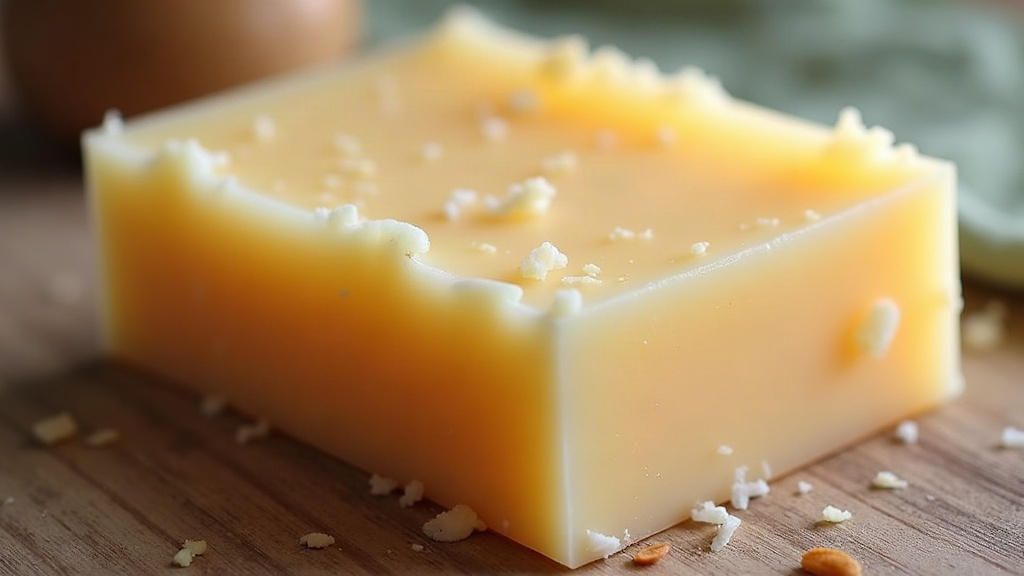
If your cold process soap has turned into something covered in tiny, glassy beads that just won’t dry up, it’s “sweating.” Nine times out of ten, the culprit is glycerin pulling moisture straight out of the air. Here’s the reassuring part: this is a cosmetic quirk, not proof that your soap failed. A few tweaks to your recipe, your curing routine, and how you store the finished bars will usually clear it right up.
What Is “Soap Sweat,” Really?
Soap sweat is condensation sitting on the surface of a bar. You’ll usually spot it as:
- Small, glassy droplets that show up overnight, seemingly out of nowhere
- A surface that feels sticky or tacky no matter how many times you wipe it
- Worse sweating on darker bars, or ones loaded with sugar
Why does this happen? Glycerin is a humectant, a natural byproduct of saponification, and its whole job (chemically speaking) is to grab and hold onto water from the surrounding air. Stick a bar in a humid room with bad airflow, and that moisture just sits there on the surface where everyone can see it.
Sweating does not mean your soap is unsafe or that it didn’t saponify properly. It’s environmental, plain and simple. That said, a sweaty bar can still look off-putting or feel slimy to a customer picking it up at a market table, so it’s worth fixing.
Common Causes of Sweating Cold Process Soap
1. High Humidity During Cure
Once humidity climbs past 50-60% in your curing space, glycerin pulls moisture faster than it can evaporate off the bar. Basements, bathrooms, un-airconditioned garages: these are the usual suspects. A muggy August in a garage with no AC is basically a sweating factory.
2. Too Much Sugar or Honey in the Recipe
Sugar, honey, milk, and fruit purees all boost lather, sure, but they also crank up hygroscopicity (fancy term for “pulls water out of the air”). A bar with even 1 tablespoon of honey per pound of oils will sweat noticeably more than a plain, no-frills batch.
3. High Superfat or Soft Oils
Lean heavily on castor oil, or push your superfat past 8-10%, and you’ll end up with a softer bar that’s more prone to surface moisture. Soft bars and dry bars rarely go together.
4. Sodium Lactate or Liquid Sugars Overuse
Sodium lactate is supposed to harden your bars. Overdo it, though (more than about 1 tsp per pound of oils), and it can actually work against you and make sweating worse.
5. Poor Air Circulation
Stack bars too close together, cure them in a sealed container, or set them on a plastic tray that doesn’t breathe, and you’re trapping humidity right up against the soap. It’s like wrapping a damp towel in plastic and expecting it to dry.
How to Stop Cold Process Soap from Sweating
Fix #1: Improve Your Curing Environment
- Aim for 30-50% relative humidity in your curing room.
- Got a tropical or coastal climate? Run a dehumidifier or a fan nearby.
- Space bars at least an inch apart, on uncoated wood or wire racks rather than plastic trays.
Fix #2: Rebalance Your Recipe
- Keep superfat around 5% for everyday bars.
- Cap sugar additives (honey, milk, fruit) at about 1 tablespoon per pound of oils, not more.
- Bump up hard oils: coconut, a palm alternative like babassu, or tallow, to firm things up.
Fix #3: Use Sodium Lactate Correctly
Stick to the recommended rate, roughly 1 teaspoon per pound of oils, mixed into your cooled lye water. That’s enough to harden the bar without messing with the surface chemistry in a way that invites moisture.
Fix #4: Reduce Water Discount Carefully
Trimming your water a bit (say, 33-35% of oils instead of the usual 38%) can speed up hardening and cut down on moisture retention. Just don’t go overboard, or trace will hit so fast you won’t have time to work the batter into the mold.
Fix #5: Store Finished Bars Properly
- Wrap cured bars loosely in something breathable, like kraft paper, not shrink wrap, until they sell.
- Skip the airtight bins, especially in a humid room.
- If a bar sweats after it’s already wrapped, unwrap it, pat it dry with a paper towel, and let it sit out uncovered for a day before rewrapping.
Fix #6: Blot, Don’t Panic
Sweating show up right before a craft fair or a shipment? Just blot the beads gently with a soft cloth or paper towel. Takes thirty seconds, fixes the look completely, and does zero harm to the bar.
Fix #7: Consider Climate-Specific Adjustments
If you’re soaping in Florida, Southeast Asia, or anywhere coastal and muggy, it often makes sense to permanently dial back the sugar additives and lean harder into hard oils as your standard recipe, rather than refighting this battle with every single batch.
When Sweating Signals a Bigger Problem
Every so often, what looks like sweating is actually something else entirely: lye seepage from a batch that didn’t fully saponify. This is much rarer, and it feels different, oily and caustic rather than clear beads of water, and it’ll zap your tongue if tested that way (please don’t test it that way if you suspect real lye). If your bars feel greasy, smell strange, or test with a high pH even after a full 4-6 week cure, you’re not dealing with glycerin sweat anymore. That’s a recipe or process problem that needs real troubleshooting.
Conclusion
Nine times out of ten, a sweaty bar of cold process soap just means humidity met glycerin, nothing more sinister than that. Get your curing environment under control, go easy on the sugar additives, dial in your superfat and sodium lactate properly, and store the bars in breathable packaging. Do that, and your soap stays dry, firm, and ready for the shelf. Small tweaks really do add up, especially if you’re making soap somewhere humid, where this same issue has a habit of showing up batch after batch after batch.