Beginner's Guide to Lye Safety When Making Cold Process Soap
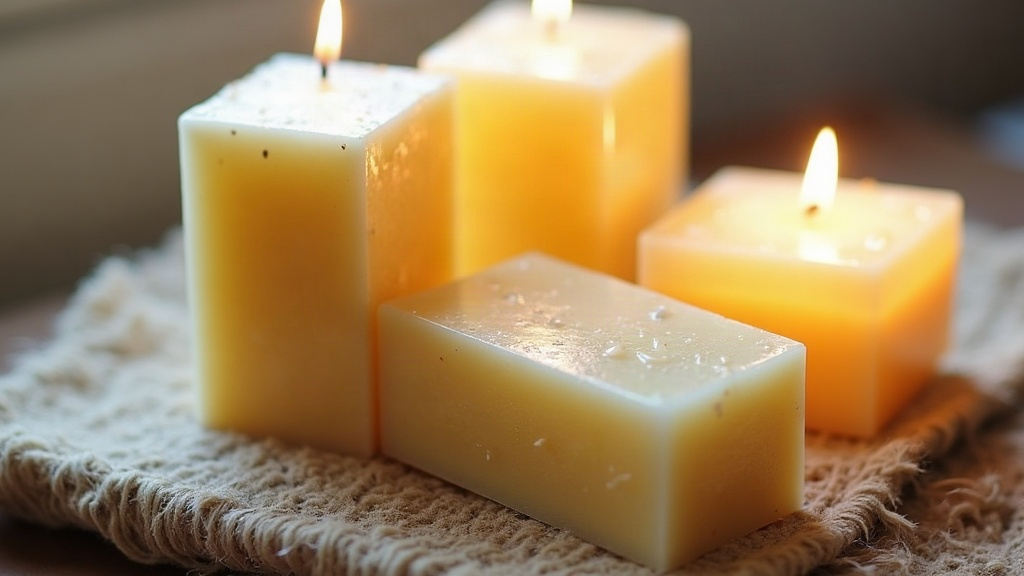
Lye (sodium hydroxide) is the ingredient that actually turns oils into soap, and it’s also the thing that scares most beginners off before they even start. Here’s the good news: lye is manageable. Totally manageable, in fact, once you understand how it behaves and stick to a handful of safety habits that aren’t optional. This guide walks through what a first-time soap maker needs to know to handle lye with confidence instead of dread.
What Exactly Is Lye?
Lye is sodium hydroxide (NaOH), a caustic alkali that shows up as white pellets or flakes. Dissolve it in water, combine it with oils or fats, and you trigger saponification, the chemical reaction that actually produces soap. No lye, no real soap. There’s no workaround, no substitute ingredient that does the same job.
Melt-and-pour soap bases have already been through this reaction at the factory, which is exactly why a lot of beginners start there instead. But cold process soap means you’re handling lye yourself, start to finish.
Why Lye Requires Respect, Not Fear
Whether it’s sitting in solid form or dissolved in water, lye is genuinely caustic:
- It can cause chemical burns on skin within seconds of contact.
- Lye water throws off strong fumes as it dissolves, and breathing those in can irritate your lungs and eyes.
- A splash near the eyes can cause serious damage, even blindness, if it isn’t treated right away.
None of this means you should steer clear of soap making altogether. It just means you treat lye the way you’d treat any strong household chemical: proper gear, good airflow, and a process that isn’t rushed.
Essential Safety Gear
Before you measure out a single gram of lye, gather the following:
- Safety goggles (not regular glasses, goggles that actually seal around the eyes)
- Chemical-resistant gloves (nitrile holds up well; skip the thin latex ones)
- Long sleeves to keep your arms covered
- Closed-toe shoes, no sandals anywhere near your workspace
- A dedicated scale and containers used only for soap making, never for anything food-related
Keep a bottle of vinegar within reach too. It won’t “fix” a lye burn on its own, but flushing the area with cool running water first, then following up with diluted vinegar, helps neutralize whatever alkali is left on the skin.
Mixing Lye Water: The Golden Rule
Always add lye to water, never water to lye. Pour water onto solid lye and you risk a violent, almost volcanic reaction that splashes caustic liquid everywhere. Sprinkling lye slowly into water while stirring keeps things controlled and predictable.
Steps for mixing safely:
- Work somewhere well-ventilated, outdoors, by an open window, or under a range hood.
- Put your goggles and gloves on first, before anything else.
- Pour your measured water into a heat-safe container (stainless steel or hard plastic).
- Sprinkle the lye into the water slowly, stirring gently as you go.
- Turn your face away from the container as the fumes rise.
- Let the mixture cool and clear before you use it.
Expect the temperature to spike fast, sometimes past 180°F (82°C). Don’t walk away from it, even for a minute, and never let kids or pets anywhere near the container while this is happening.
Common Mistakes Beginners Make
- Reusing kitchen tools for soap and food. The moment a spoon or pot touches lye, it’s retired from the kitchen. Permanently. No exceptions.
- Mixing lye with pets or kids wandering around. Pick a time when the space is empty and you can close the door behind you.
- Skipping the label. Label your lye container clearly every single time, even if you’re about to use it in the next five minutes.
- Rushing the cooldown. Pour hot lye water into your oils too early and you’ll end up with overheating or an uneven trace.
What to Do If Lye Contacts Skin
- Flush the spot with cool running water immediately, for at least 10 to 15 minutes. Don’t cut this short.
- Take off any clothing that got contaminated.
- Apply diluted vinegar only after you’ve rinsed thoroughly, never as a first step.
- Get medical attention for anything beyond mild redness. If lye touches the eyes, that’s an automatic ER trip, no waiting it out.
Storing Lye Safely
Keep sodium hydroxide in a tightly sealed, clearly labeled container, somewhere dry, out of reach of kids, and nowhere near food. Lye pulls moisture straight out of the air, so a loose lid means clumping, and clumped lye throws off your measurements down the line.
Final Thoughts
Lye is just a tool. A powerful one, sure, but a predictable one too, as long as you respect what it does. Gear up properly, mix somewhere with decent airflow, always add lye to water and never the reverse, and keep the workspace calm and free of distractions. Build these habits once and lye safety stops feeling like a scary hurdle. It just becomes another step, routine as anything else, on the way to a finished bar of handmade cold process soap.