How to Make Fall-Scented Pumpkin Spice Candles with Natural Colorants
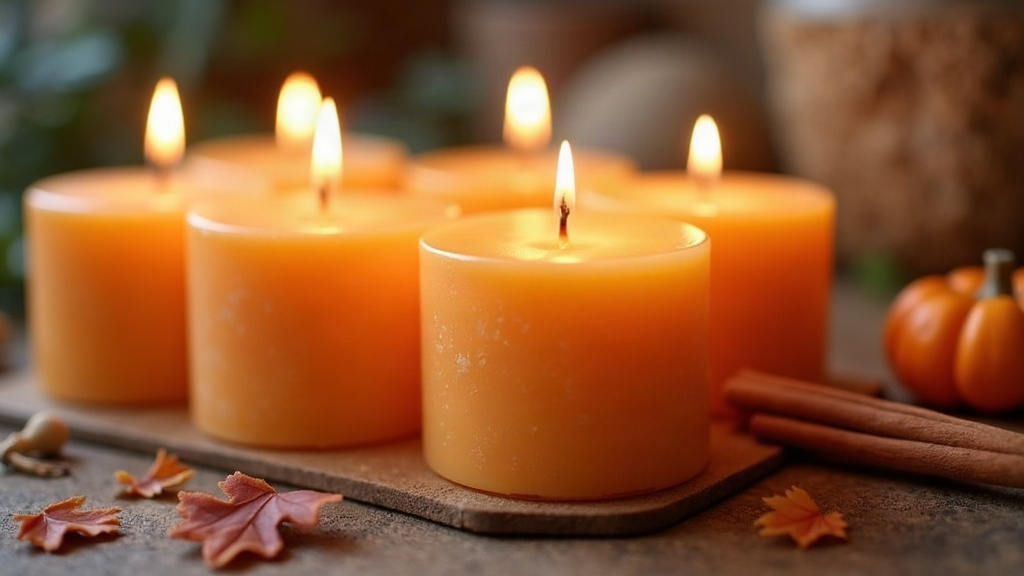
There’s nothing that nails the feeling of autumn quite like a pumpkin spice candle glowing on the windowsill, filling the room with cinnamon, clove, and nutmeg. Here’s the thing: you don’t need synthetic dyes or artificial fragrance oils to get that cozy fall look. With a handful of pantry staples and a few natural colorants, you can build rich, amber-toned candles completely from scratch. This guide covers the whole process, from melting the wax to landing on that perfect burnt-orange tint using turmeric, annatto, and beetroot powder.
Why Choose Natural Colorants for Candles
Most candle dyes you’ll find at a craft store are petroleum-derived, and they can throw off soot or leave a faint chemical smell when burned. Natural colorants solve a lot of that. They’re:
- Cleaner burning. Fewer synthetic additives means a lot less soot clinging to the inside of your glass jars.
- Safer for sensitive households. Worth considering if you’ve got kids, pets, or anyone prone to allergies at home.
- More authentic looking. Natural pigments give you subtle, earthy tones, the kind that actually resemble real pumpkin and warm spice, instead of the neon-orange look some dyes produce.
- Eco-friendly. A lot of these colorants are food-safe and break down naturally, no lingering residue.
What You’ll Need
Wax base:
- 2 lbs natural soy wax flakes (a soy-coconut blend works too, and tends to throw scent a bit further)
- Cotton wicks, pre-tabbed and sized to match your container’s diameter
Fragrance:
- 1 oz pumpkin spice essential oil blend, or build your own mix:
- Cinnamon bark essential oil (10 drops)
- Clove bud essential oil (8 drops)
- Ginger essential oil (6 drops)
- Sweet orange essential oil (10 drops)
- A small touch of vanilla oleoresin for warmth
Natural colorants (pick one, or layer a few together):
- Turmeric powder for a golden yellow base
- Annatto seed powder or oil, the classic burnt-orange “pumpkin” shade
- Paprika or cayenne (just a pinch) to push the orange toward rust
- Beetroot powder for a reddish undertone when paired with annatto
- Cocoa powder if you want a deeper, more autumnal brown
Step-by-Step Instructions
1. Prepare Your Containers and Wicks
Wash your heat-safe glass jars well and secure a wick at the center of the base, either with a dab of melted wax or a wick sticker. A couple of chopsticks laid across the rim (or a dedicated wick holder) will keep it centered and upright as you pour.
2. Melt the Wax
Set up a double boiler and melt the soy wax flakes slowly over medium-low heat until it’s fully liquid, somewhere around 180-185°F (82-85°C). Soy wax is fussy about temperature, so resist the urge to crank the heat to speed things along.
3. Infuse the Natural Color
Pull the wax off the heat and whisk in your colorant of choice. Start with less than you think you need, about ½ teaspoon of annatto powder or oil per pound of wax usually gets you a solid, deep orange. If you’re working with powdered spices, strain the mixture through cheesecloth or a fine mesh first, otherwise you risk clumps that clog the wick later.
A combination that reliably nails that pumpkin-spice shade:
- 1 tsp annatto oil
- ¼ tsp turmeric powder
- A pinch of paprika for depth
4. Add Fragrance Oils
Wait until the wax cools to roughly 135-145°F (57-63°C) before stirring in your essential oils. Pour them in too early, while the wax is still hot, and a good chunk of that scent will simply evaporate before the candle ever sets.
5. Pour and Cure
Pour the scented, colored wax into your containers, leaving about half an inch of room at the top. Let the candles sit undisturbed for at least 24 hours before touching them, then trim the wicks down to ¼ inch. If you want the best scent throw, be patient and let them cure another 3-5 days before lighting one.
Troubleshooting Common Issues
- Color looks washed out? Add colorant gradually. Natural pigments are much more subtle than synthetic dye chips, so what seems like “not enough” often is enough once it sets.
- Wick drowning, or the candle tunneling down the middle? Double-check that your wick size actually matches the container’s diameter. Thicker wicks burn hotter and spread heat more evenly in soy wax.
- Barely any scent? Soy wax can typically hold 6-10% fragrance load by weight. Don’t be shy with the essential oils, within that range.
Final Thoughts
Making your own pumpkin spice candles with natural colorants is one of those small projects that pays off way more than the effort it takes. Just soy wax, a few essential oils, and some spices already sitting in your cabinet (turmeric, annatto) are enough to produce a candle with real color depth and a scent that holds up against anything from a boutique shop. And honestly, it makes a pretty great handmade gift once fall rolls around.