Can You Use Dried Lavender in Candle Wax Without It Catching Fire?
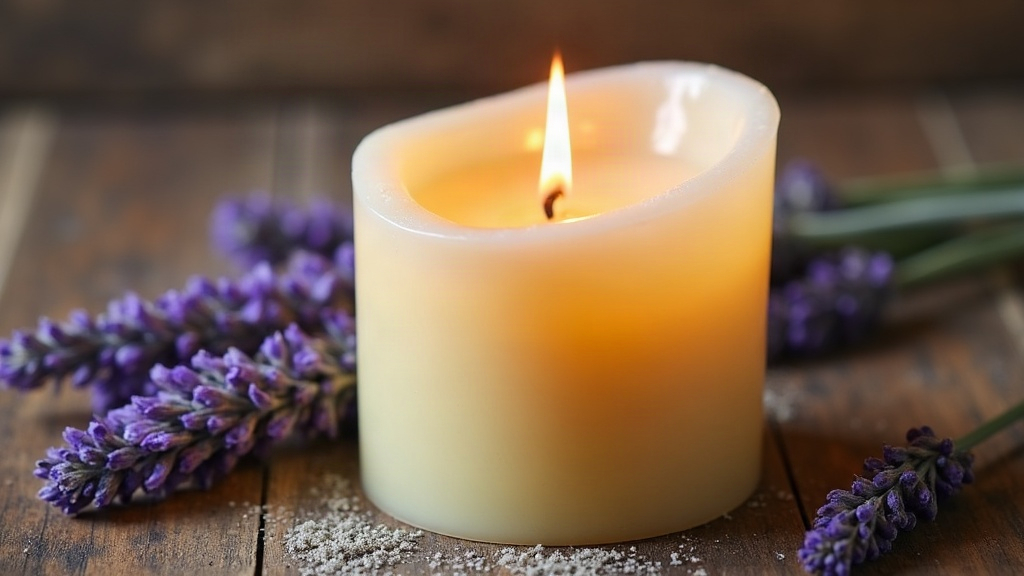
Yes, dried lavender and candle wax can mix, but only if you respect some fairly strict placement rules. Why? Because dried botanicals sitting loose on the surface, or anything poking into the flame zone, are a genuine fire hazard. Not a theoretical one. The trick is knowing exactly where lavender can live in relation to the wick and flame, and understanding why so many pretty, Instagram-ready candles with floral toppings end up scorched, smoking, or worse.
Why Dried Lavender Can Catch Fire in Candles
Dried flowers and herbs are basically kindling with good PR. Lavender buds are tiny, bone-dry, and loaded with aromatic oils, which means they’re:
- Highly flammable the moment they’re exposed to direct heat
- Prone to wicking flame, since dried material can act like a fuse and pull fire outward from the wick
- A smoke and soot risk, even in cases where they don’t fully catch
Here’s the thing: lavender itself isn’t the problem. Placement is. Any dried botanical resting on the wax surface, especially anywhere close to or touching the wick, is going to catch fire eventually. It’s just a matter of time, as the candle burns down and the melt pool creeps toward it.
The Safe Zone Rule
Most professional candle makers follow one simple guideline: keep every bit of botanical material at least 1/2 inch (1.3 cm) away from the wick, and not just measured at the top when the candle is brand new. That distance needs to hold at every stage of the burn, all the way down.
Here’s how that plays out in practice:
Surface-Only Decoration (Riskiest)
Sprinkling lavender buds on top of a finished candle is, by far, the most common mistake home candle makers make. It looks gorgeous in photos. But as the candle burns, the melt pool widens and those buds drift straight toward the flame. This single decorating choice is behind most of the lavender-candle fire incidents you’ll read about.
Embedded in the Outer Wax Wall (Safer)
A better approach: pour a thin layer of wax, press lavender buds into the sides of the candle (never the top), then seal it all with a final clear layer of wax. Done right, this locks the buds away from the flame permanently, because in a properly sized candle, the fire never actually reaches those outer walls.
Mixed Into the Wax Itself (Not Recommended)
Blending dried lavender straight into melted wax sounds like a shortcut. It isn’t. Buds suspended throughout the wax get exposed gradually as the candle burns down, which creates multiple ignition points over the candle’s entire life, not just a one-time risk at the start.
Safer Alternatives for Lavender Scent and Look
Love the lavender aesthetic and fragrance but want zero fire risk? A few options actually work:
- Lavender essential oil or fragrance oil blended into the wax for scent, no visual flammable material involved at all
- Pressed lavender on the outside of a glass jar, sealed with a sticker or resin, kept entirely outside the candle
- A lavender ring around the rim only, flush against the glass wall and far from the wick, in a wide-mouth container where the wax never fully melts out to the edge
- Dried lavender as a lid or packaging accent, living outside the wax entirely
What Commercial Candle Makers Do
Here’s an open secret: a lot of boutique candle brands that show “flowers in wax” on their packaging are using a non-burn demonstration candle purely for the photo. The actual candle you light at home is often scent-only, or has flowers embedded only in a non-flame zone, like a thick outer rim in a very wide vessel.
If you’re buying rather than making a lavender-topped candle, look for a warning label. The good brands say something like: “Trim wick before each use and remove any debris from the wax pool.” That line is a tell. It means they’ve already thought through the risk you haven’t.
Quick Safety Checklist
- ✅ Keep lavender at least 1/2 inch from the wick radius, at all times, not just at the start
- ✅ Use a wide container so the melt pool never reaches embedded botanicals
- ✅ If safety matters more than looks, go scent-only with essential oil instead of visual decoration
- ❌ Never sprinkle loose dried lavender across the candle’s top surface
- ❌ Never let botanicals touch or drift near the flame as the wax melts down
- ❌ Don’t walk away from a lavender-topped candle while it’s burning, even if you think you placed everything “safely”
Conclusion
Dried lavender and candle wax really can coexist, but only with deliberate, careful design: botanicals belong in the outer wax walls or on the container itself, never anywhere near the wick or top surface. If you’re making candles at home, put technique ahead of aesthetics every single time. And when you’re not sure, skip the dried buds and get your lavender scent from essential oil instead. A pretty candle is nice. It’s not worth a kitchen fire.